
Due to a 2021 outbreak of a highly contagious and deadly strain of avian flu (highly pathogenic avian influenza, or HPAI), WCNC cannot accept patients outside of our normal operating hours and ask the public to call our hotline before bringing in a patient. WCNC screens all patients for clinical signs of HPAI.
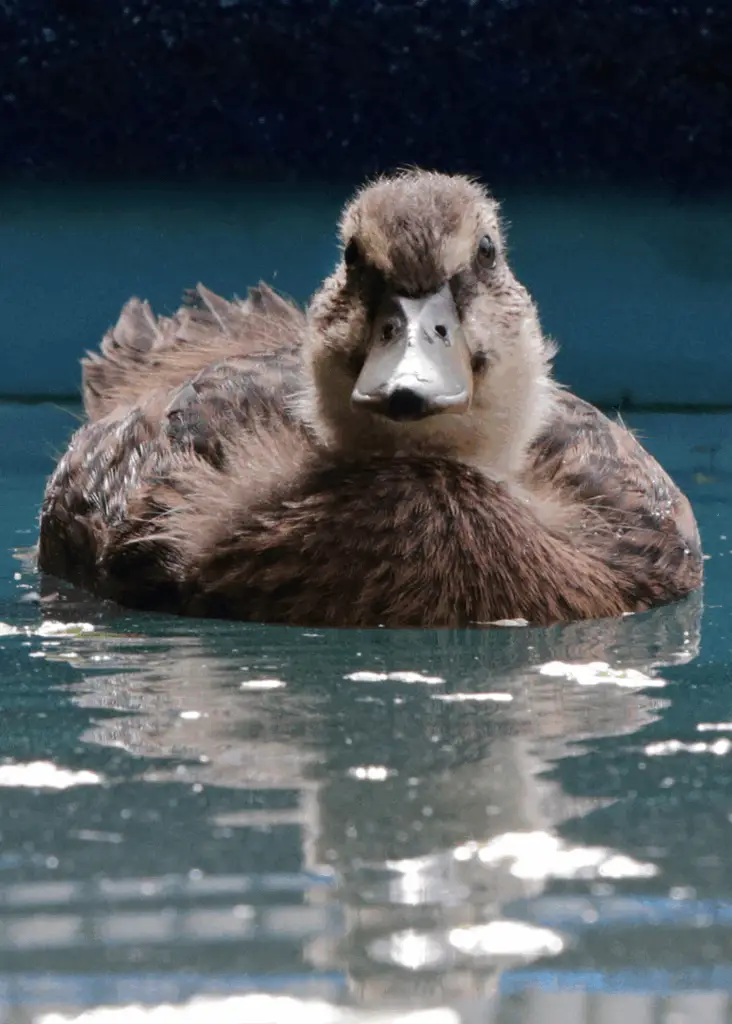
Highly Pathogenic Avian Influenza (HPAI) H5N1 is a disease naturally occurring in wild bird populations. It has a high mortality rate among chickens, turkeys, and backyard poultry.
All birds (and some mammals) are susceptible to HPAI, although some species may be asymptomatic carriers, such as dabbling ducks. The disease also infects birds that prey upon or hunt or scavenge waterfowl.
In Oregon, the wild bird species currently most at risk are waterfowl, shorebirds, and scavengers (like eagles, crows, gulls, and vultures).
WCNC has adopted additional biosecurity protocols to minimize the risk of transmission to our captive residents while remaining open to admissions. These protocols are reviewed continuously in keeping with the current scientific understanding of the disease. Additionally, WCNC coordinates with ODFW to test suspected cases of HPAI.
Incoordination/ataxia, uncontrolled movements/thrashing, seizures, twitching or head drifting to one side repeatedly, lack of awareness of surroundings
Ocular and/or nasal discharge, wheezing or labored breathing, coughing, and sneezing
Lack of energy and appetite.
Sudden death without clinical symptoms.
Steps that may help reduce the spread of HPAI:
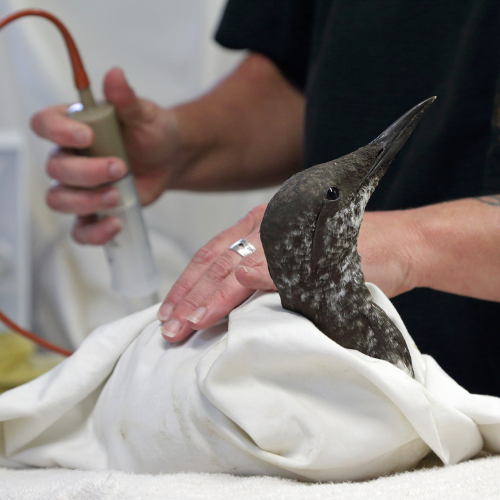
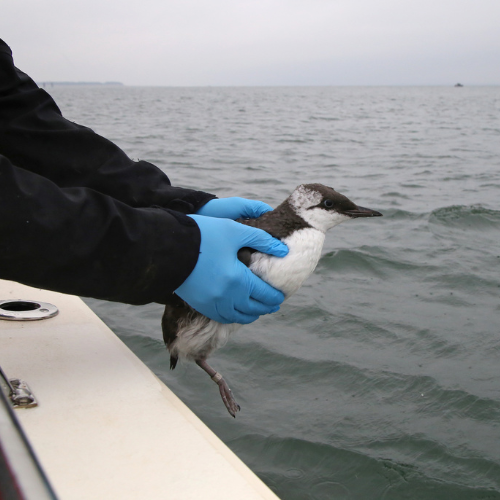
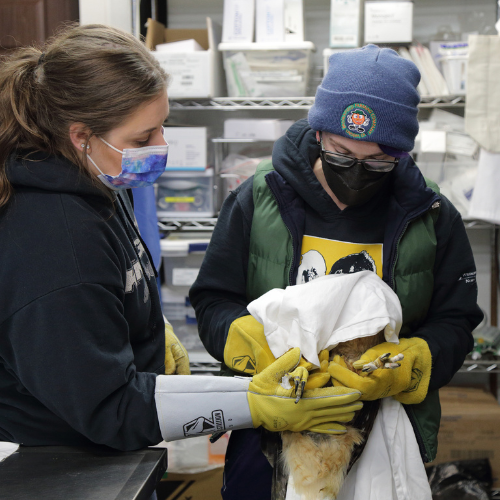
The state asks that if you see dead wild birds, do not collect or handle them but report the incident directly to ODFW at 866-968-2600 or Wildlife.Health@odfw.oregon.gov. ODFW staff will be conducting surveillance and collecting/testing sick and dead wild birds to monitor for the presence of the disease.
Please call our wildlife hotline at 503-338-0331 if you have questions about wildlife or HPAI.
We are deeply saddened by this outbreak, and the necessary changes we have had to make limiting our patient intakes. Please consider a donation from our Amazon wish list so we can continue caring for all of the animals we are still able to help.