
“Promoting compassion, empathy, and respect for all life through wildlife rehabilitation, ecological teachings, and wildlife conservation.”
Year Founded
Avg Patients per Year
Resident Ambassadors
Volunteers
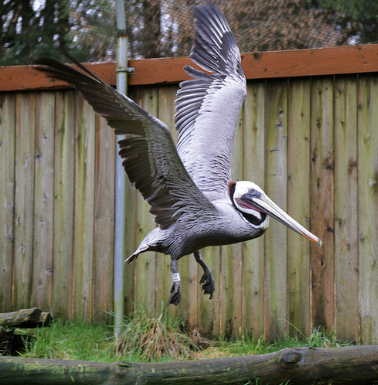
Our ambassador birds are permanent residents at the Wildlife Center of the North Coast due to injuries or conditions that prevent them from surviving in the wild. While they can no longer soar free, they serve an important purpose—helping people connect with wildlife up close and understand the challenges these species face. Each ambassador has a unique story and plays a vital role in inspiring compassion and conservation in our community.
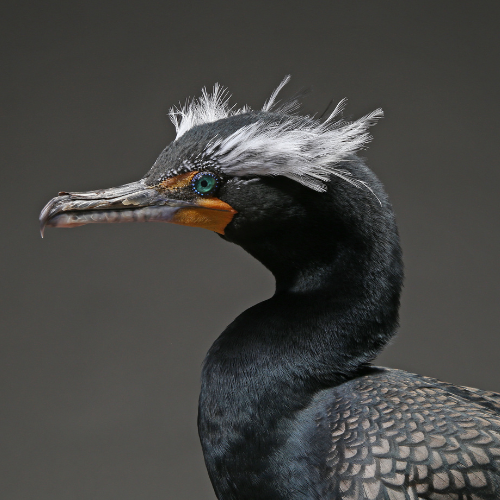
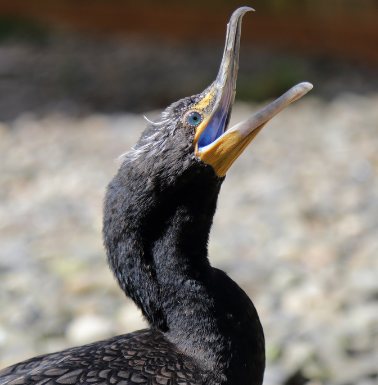
Double-crested cormorant
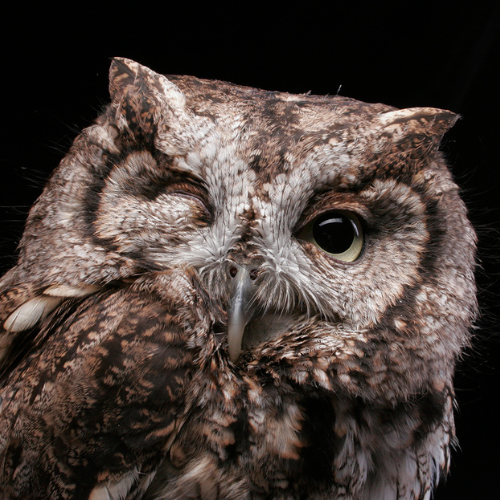
Western screech owl
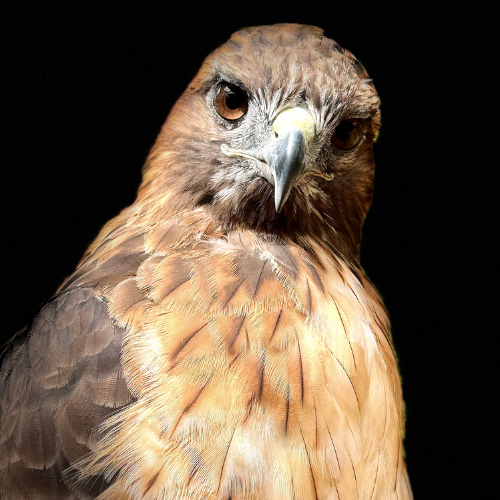
Red-tailed hawk
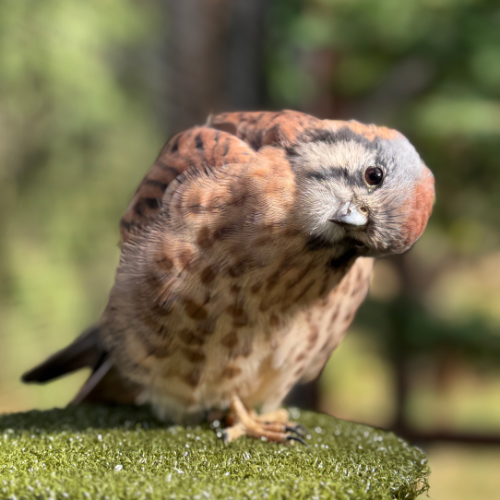
American kestrel
A behind-the-scenes tour of our wildlife hospital, where students will learn about wildlife rehabilitation and see how we care for injured and orphaned animals.
A close-up introduction to our ambassador birds—non-releasable raptors and seabirds that help educate the public about their species.
Our programs cover topics such as:
Wildlife rehabilitation and conservation
Ecosystem health and biodiversity
Human impact on wildlife
Adaptations and survival strategies
Programs are adjusted based on grade level to ensure age-appropriate content.
If your group plans to eat on-site, please let us know in advance.
There are outdoor areas available for lunch.
Respect all animals, staff, and other visitors.
Stay with your group and follow instructions from WCNC staff.
Keep noise levels appropriate to avoid disturbing wildlife.
Some areas are restricted for
safety reasons—please stay on designated paths.
Field trips are offered Thursday or
Friday, from 10:30-11:30am*. Please
schedule at least two weeks in advance to ensure availability.
*If this does not work for your group, we are happy to discuss other options. Alternative scheduling requests for field trips will be considered on a case-by-case basis and are dependent on staff availability.
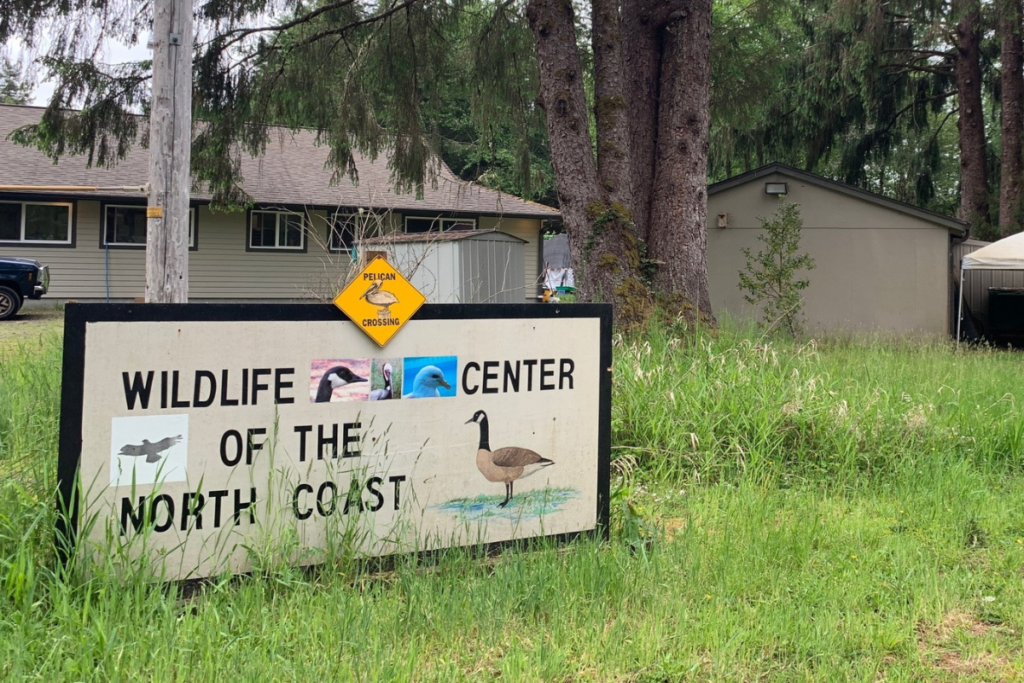
Our address is 89686 Hwy 202, Astoria OR 97103. If you are coming from Astoria on Hwy 202, we are the first driveway on the right after milepost 9 (keep an eye out for the green marker). If you come to the Olney General Store, you have missed the driveway and need to turn around. There will be a sign out by the road to help you find us. As you make your way down the gravel road, the first building you come to is the clinic, if you keep driving to the left you will come to a blue building, and we will meet you there.
We have a limited number of parking spots available. If you will be bringing more than a few vehicles please plan to park in our field in front of the barn.
89686 Hwy 202 Astoria, OR 97103
503-338-0331
education@coastwildlife.org
Just a reminder, in order to keep stress levels as low as possible for our wildlife patients, they will not be on display in the clinic. We also work to keep noise levels down to help with stress reduction, and will appreciate you joining us in this effort by using quiet voices.
A good part of your tour will be outdoors, and the trails on our property are not paved, so please keep this in mind when choosing footwear. Closed toed shoes are best – we want you to be comfortable while you are here.
A special situation that you may be aware of is that there is a strain of avian influenza that has been severely affecting birds worldwide this year, and is present in the Pacific Northwest. Because of this, we have some additional precautions in place to do all we can to prevent the virus from entering our facility, and to keep our patients and ambassador birds safe. There’s a thorough writeup on our website, if you want to learn more but what it means for you is that we’d like for you to wear shoes here that have not been worn in places where there are lots of birds, such as parks, the beach, or someone’s back yard who keeps chickens.
Sessions for students entering 1st-8th grades.
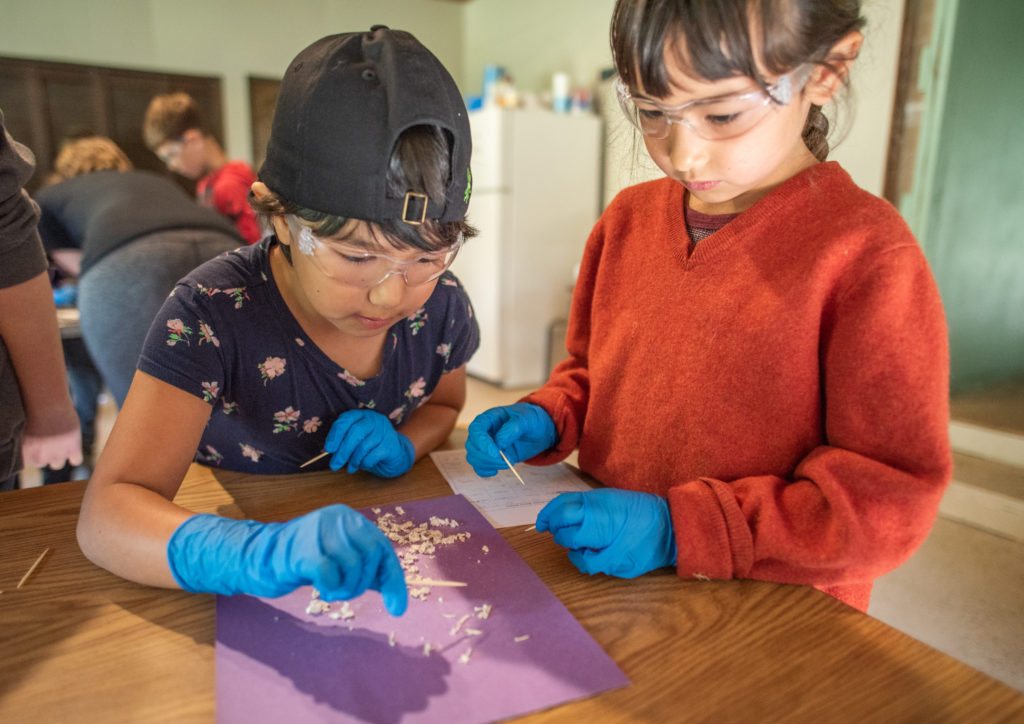
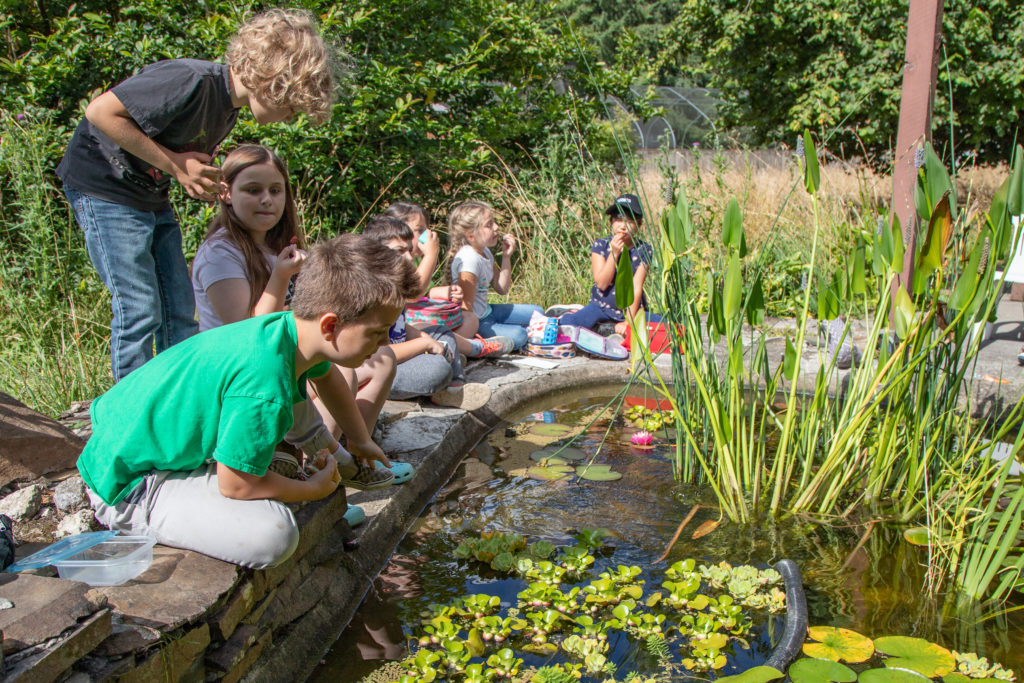
Wildlife Center’s day camp is designed to immerse kids in the outdoor world while providing them with opportunities to learn, explore, get creative, and play.
Students that join us at Summer Camp will have an opportunity to tour our facility, go on nature walks, meet our ambassadors, and more.
Camp dates and registration info is released in late winter/early Spring.